In recent years, the fashion industry has undergone a major transformation. Consumers are becoming more aware of the environmental and ethical consequences of fast fashion, and many are rethinking how their choices impact the planet. Sustainable fashion has emerged as a powerful movement, focusing not only on stylish clothing but also on responsible sourcing, fair labor practices, and reduced environmental damage. This shift is more than just a trend—it’s a necessity that is shaping the future of the industry.
Understanding the Concept of Sustainable Fashion
Sustainable fashion encompasses practices that aim to reduce the industry’s negative footprint. It involves the use of eco-friendly fabrics, recycling or upcycling old clothing, and supporting brands that prioritize ethical working conditions. Unlike fast fashion, which is built on mass production and quick disposal, sustainable fashion emphasizes durability, quality, and timeless style.
Interestingly, the discussion around sustainable fashion often extends beyond clothes themselves. Many bloggers, influencers, and businesses spread awareness by writing guest posts on eco-conscious platforms, helping consumers make informed decisions. These posts act as a bridge between shoppers and brands, ensuring the conversation about sustainability continues to grow.
The Consumer Shift Toward Ethical Choices
One of the strongest indicators of change in the fashion industry is consumer behavior. Millennials and Gen Z, in particular, prefer buying from brands that align with their values. They are more likely to choose an eco-friendly dress over a trendy but cheaply made alternative. Social media has also fueled this shift, as consumers now hold companies accountable for unethical practices like sweatshops or environmental harm.
Businesses that embrace sustainability are gaining an edge, while others that ignore these values risk losing their credibility. In fact, some companies are now leveraging tools like a to showcase their ethical credentials, making it easier for eco-conscious buyers to discover them. This visibility helps sustainable brands connect directly with audiences that care about transparency and responsibility.
Emotional Connection Through Storytelling
Fashion has always been about identity and self-expression. Today, sustainable fashion carries an even deeper layer—it allows individuals to connect their personal values with their wardrobe choices. People feel proud when their clothing supports renewable resources, ethical wages, or reduced waste.
Interestingly, storytelling plays a major role here. Just as online platforms like mysadshayari.com allow people to express emotions through words, fashion tells a story through fabrics, cuts, and colors. Wearing sustainable clothing is no longer just about looking stylish; it’s about making a statement that aligns with one’s conscience.
Linking Fashion With Broader Lifestyle Choices
Sustainability is not confined to the wardrobe. People adopting eco-friendly habits often extend them into other areas of life—food, housing, and travel. For instance, many buyers who care about sustainable clothing are also drawn to green building practices and ethical housing markets. The rising popularity of eco-conscious properties listed under house sales Australia highlights how consumer awareness in one industry often connects with others.
When fashion enthusiasts choose clothing that respects the environment, they’re more likely to also prioritize energy-efficient homes, organic food, or responsible travel options. This interconnected approach shows that sustainable fashion is part of a bigger cultural shift toward mindful living.
The Role of Local Communities and Businesses
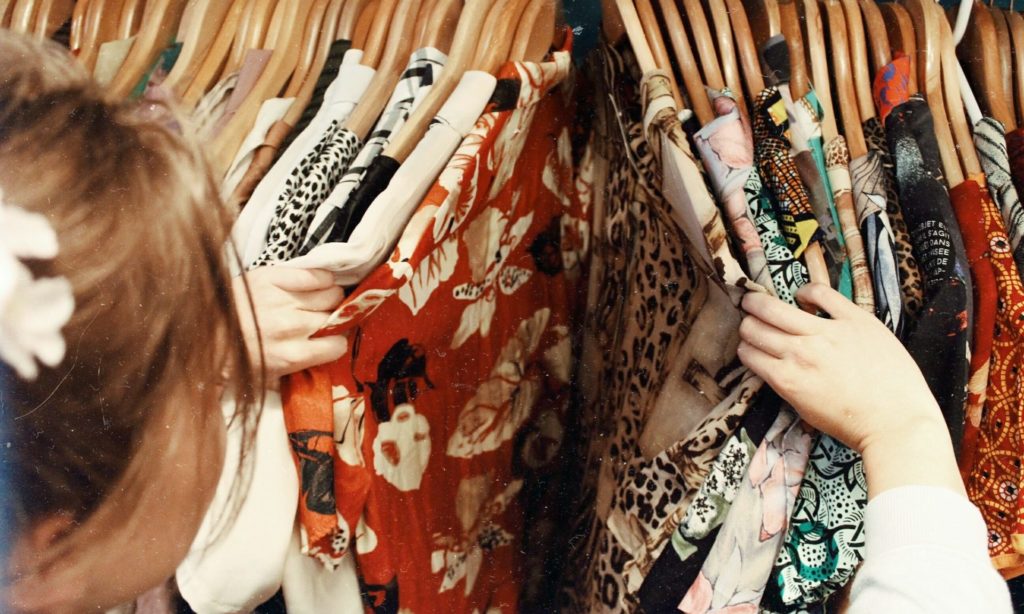
Another fascinating aspect of sustainable fashion is how it strengthens local communities. Buying locally produced clothes reduces shipping emissions and supports artisans who use traditional, environmentally friendly methods. Small businesses benefit from loyal customers who appreciate craftsmanship and transparency.
The hospitality industry mirrors this trend. Just as diners now rely on the best restaurants directory of Australia to find eateries that prioritize local produce and ethical sourcing, fashion lovers use online platforms to discover brands that align with their values. The synergy between food, fashion, and other lifestyle sectors reinforces the idea that sustainable living is not limited to one category—it’s a way of life.
Challenges Facing the Movement
Despite its growing popularity, sustainable fashion faces some hurdles. One challenge is affordability. Eco-friendly fabrics and ethical labor often cost more, making sustainable clothing pricier than fast fashion alternatives. Additionally, not all consumers are aware of the environmental impact of their clothing choices, which slows adoption.
Greenwashing—where brands falsely claim to be sustainable—also undermines the movement. Consumers must remain vigilant and research companies before making purchases. Transparency reports, certifications, and genuine brand storytelling can help combat misleading claims.
Conclusion
Sustainable fashion is more than a fleeting movement—it’s a critical response to the environmental and social challenges posed by fast fashion. By choosing eco-friendly fabrics, supporting ethical brands, and staying aware of broader lifestyle implications, consumers are reshaping the industry. From awareness spread through guest posts, to visibility via a business listing platform Australia, to emotional resonance akin to platforms like mysadshayari.com, sustainable fashion connects with people on multiple levels. It even influences choices in related industries, from house sales Australia to dining options in the best restaurants directory of Australia.
Ultimately, the growing importance of sustainable fashion lies in its ability to merge style with substance. Every purchase becomes a statement, every outfit a commitment—and together, these choices are driving meaningful change for the planet and future generations.
Related Posts

Fashion Forecasting: Expert Insights into Upcoming Trends
Fashion forecasting is an essential process in the fashion industry…

Why AI-Driven Live Odds Apps Are Enhancing Betting?
In the fast-paced world of sports betting, real-time data is…